A frequent question among users of hydrogel products is, how to dry out water beads after they’ve been expanded for play, decoration, or gardening. Water beads, also known as gel beads or hydro beads, are made from superabsorbent polymers and can be reused multiple times if dried and stored correctly. With extensive expertise in polymer innovation, Demi provides simple yet effective methods for drying water beads safely and efficiently.
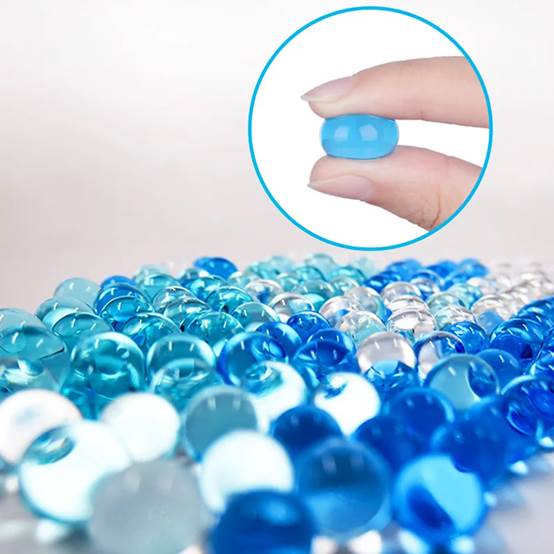
Why Dry Out Water Beads
Drying water beads helps reduce their size back to the original compact pellets, making them easier to store and reuse later. Hydrated beads can take up significant space and may become messy if left unattended. By learning to dry them out, users can extend their lifespan and maximize their value.
Simple Drying Methods
Air Drying
Spread the water beads evenly on a flat surface, such as a tray or cloth, and leave them in a well-ventilated area. Over the course of several days, the moisture will naturally evaporate, returning the beads to their hardened state.
Sun Drying
Place the beads outside under direct sunlight. This method speeds up evaporation and can dry the beads within hours to a couple of days, depending on humidity and temperature.
Low-Heat Dehydration
For faster results, use a food dehydrator or set an oven to very low heat. Spread the beads in a single layer and monitor them closely to prevent overheating. This method is especially useful for drying large quantities.
Best Practices for Storage
Once dried, water beads should be stored in airtight containers or resealable plastic bags to protect them from humidity. Keep them away from direct sunlight and moisture until you’re ready to reuse them. To rehydrate, simply soak the beads in clean water for several hours, and they will return to their full size and texture.
Demi’s Guidance and Expertise
As a global leader in absorbent and moisture-control solutions, Demi manufactures water beads designed for durability and repeated use. Their beads are made from safe, eco-friendly polymers and are engineered to withstand multiple hydration and drying cycles. Demi also provides resources that guide businesses and consumers on how to use, dry, and store water beads responsibly.
Conclusion
Understanding how to dry out water beads is simple and ensures long-term usability. Whether air drying, sun drying, or using low heat, the process allows you to store beads compactly and reuse them whenever needed. With the expertise and product innovation from Demi, water beads remain a practical, fun, and eco-friendly solution for sensory play, decoration, and gardening.
 Pack Craft Insights